

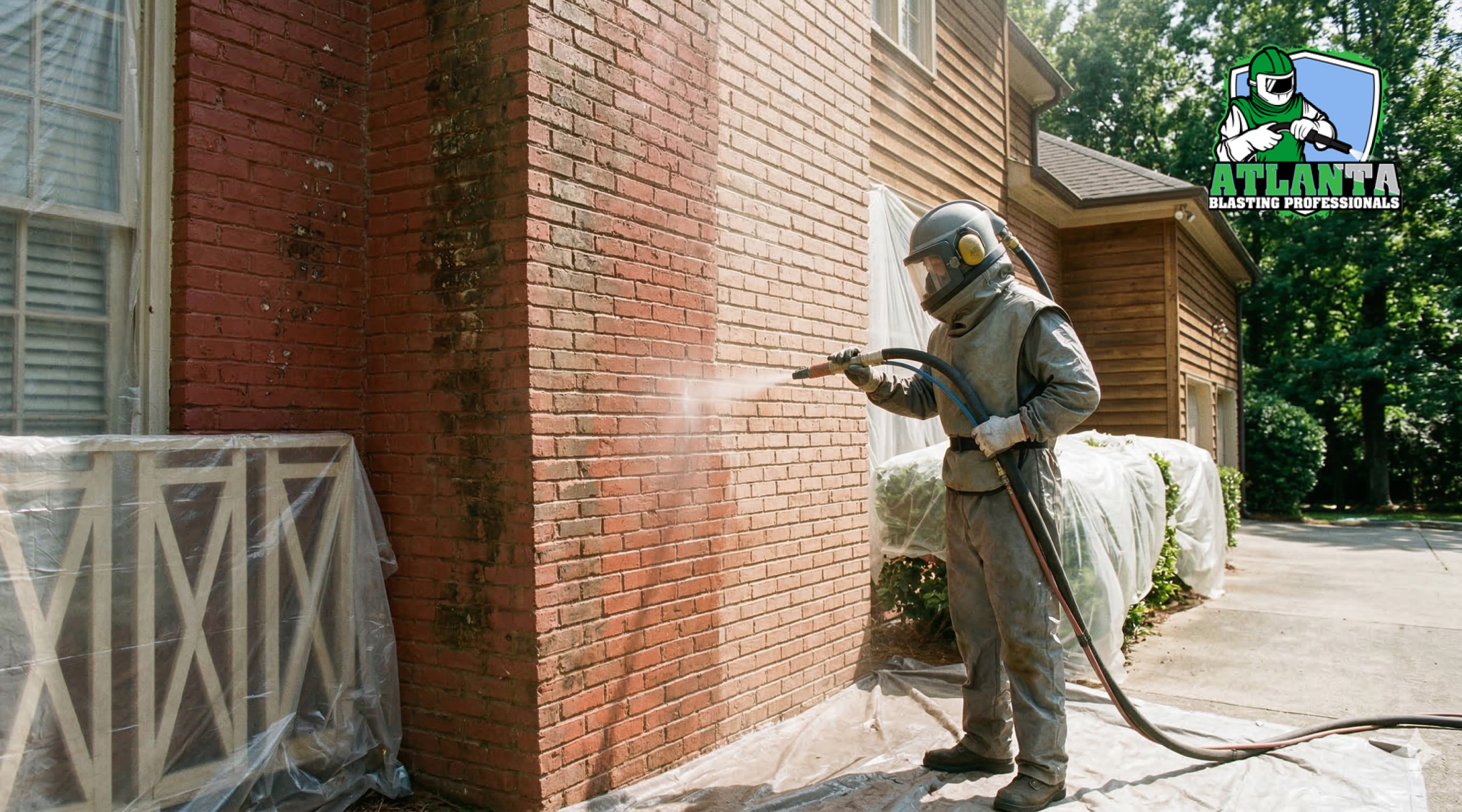
Sandblasting is a powerful surface preparation method commonly used to remove paint, rust, dirt, and old coatings from various surfaces. While it is widely used in commercial and industrial projects, many homeowners also consider sandblasting for renovations and restoration work.
But the key question remains: Are residential sandblasting services Safe?
The short answer is YES! When done correctly, using proper equipment and safety protocols. However, there are important factors to consider before deciding whether it’s suitable for your residential property.
Let’s explore everything you need to know about sandblasting services in Atlanta.
What is Sandblasting?
Sandblasting, also known as abrasive blasting, is a process that uses compressed air to propel fine abrasive materials at high speed onto a surface. The impact removes unwanted materials such as:
- Old paint
- Rust
- Mold or mildew
- Graffiti
- Grease buildup
- Surface corrosion
Modern sandblasting doesn’t always use sand. Depending on the project, professionals may use materials such as crushed glass, aluminum oxide, baking soda, walnut shells, or even dry ice.
Common Residential Uses of Sandblasting
Homeowners may use sandblasting for:
- Restoring brick or stone exteriors.
- Removing paint from wood or metal surfaces.
- Cleaning driveways and patios.
- Preparing surfaces before repainting.
- Restoring fences and gates.
- Removing rust from railings and outdoor furniture.
When performed properly, it can dramatically improve the appearance and longevity of surfaces.
Is Sandblasting Safe for Homes?
1. Safety Depends on the Method Used
Traditional sandblasting can generate significant dust and debris. However, modern techniques such as:
- Dustless blasting.
- Wet blasting.
- Soda blasting.
- Ice blasting.
Have greatly reduced airborne particles and environmental impact. Using the right method for the right surface makes a major difference in safety.
2. Potential Risks to Be Aware Of
If not handled properly, sandblasting may pose risks such as:
- Dust inhalation.
- Damage to delicate surfaces.
- Injury from high-pressure equipment.
- Contamination of nearby areas.
These risks are significantly reduced when professionals follow safety standards and containment procedures.
3. Surface Damage Concerns
Sandblasting is powerful. On soft materials like certain types of wood or aged brick, excessive pressure can cause damage. That’s why surface evaluation is critical before starting.
A trained technician will adjust:
- Abrasive material type.
- Air pressure.
- Distance from surface.
- Blasting technique.
to ensure safe and effective results.
DIY Sandblasting vs. Professional Services
DIY Sandblasting
Some homeowners attempt small-scale sandblasting projects using rental equipment. While possible, it comes with challenges:
- Requires protective gear (respirator, goggles, gloves, protective clothing).
- Requires knowledge of pressure settings.
- Risk of uneven results.
- Potential property damage.
- Dust containment concerns.
Improper use can cause more harm than good.
Professional Sandblasting
Hiring professionals offers several advantages:
- Proper equipment and training.
- Surface assessment before work.
- Safer blasting techniques.
- Containment systems to control dust.
- Faster and more consistent results.
- Compliance with safety regulations.
Professionals also know which surfaces should not be sandblasted and can recommend safer alternatives when needed.
Environmental and Health Considerations
Modern sandblasting practices focus on safety and environmental responsibility.
Reputable contractors often:
- Use eco-friendly abrasives.
- Implement dust suppression systems.
- Use containment barriers.
- Follow local environmental guidelines.
- Properly dispose of debris.
This minimizes impact on neighbors, landscaping, and indoor air quality.
When is Sandblasting Not Recommended?
Sandblasting may not be ideal for:
- Very old or fragile brick.
- Thin wood siding.
- Historic structures requiring preservation methods.
- Surfaces with lead-based paint (without proper lead-safe procedures).
- If your Homeowners Association (HOA) forbids it.
In such cases, professionals may suggest alternative surface preparation methods.
Tips for Safe Residential Sandblasting
If you’re considering residential sandblasting in Atlanta, keep these safety tips in mind:
- Always request a surface evaluation.
- Confirm that media blasting is not restricted by your (HOA).
- Ask about dust control measures.
- Ensure the contractor is licensed and insured.
- Confirm the type of abrasive material being used.
- Ask about protection for landscaping and surrounding areas.
Proper planning ensures safe and effective results.
Benefits of Professional Sandblasting for Home Projects
When done correctly, sandblasting offers:
- Deep cleaning and restoration.
- Improved paint adhesion.
- Rust removal.
- Extended lifespan of surfaces.
- Enhanced curb appeal.
- Efficient surface preparation.
It can transform worn surfaces and prepare them for long-lasting finishes.
Final Thoughts
So, are sandblasting services safe for home projects?
Yes, when performed by experienced professionals using modern equipment and appropriate safety measures. While DIY sandblasting may seem cost-effective, the risks often outweigh the savings. Proper technique, surface knowledge, and safety protocols make all the difference.
For homeowners in the Atlanta area looking for reliable and professional surface preparation solutions, Atlanta Blasting Professionals offers licensed and fully insured sandblasting services. They specialize in sandblasting, dustless blasting, ice blasting, commercial surface restoration, and heavy-duty surface preparation. Whether you need paint removal, rust removal, or equipment blasting, their certified team delivers fast, reliable, and efficient results.
If you’re planning a home restoration or renovation project and want safe, professional sandblasting services in Atlanta, working with experienced experts ensures your property is protected while achieving high-quality results.
Hire sandblasting contractors in Atlanta today!
FAQ's
The cost of residential sandblasting in Atlanta depends on factors such as surface type, project size, accessibility, and the blasting method used. Small projects may cost a few hundred dollars, while larger exterior restoration projects can cost more. It’s best to request a professional inspection for an accurate estimate.
Yes, if not done correctly. High pressure or the wrong abrasive material can damage soft brick, aged mortar, or delicate wood. Professional contractors adjust pressure levels and use suitable blasting media to prevent surface damage.
Yes. Dustless blasting and wet blasting significantly reduce airborne dust particles, making them safer for homeowners, neighbors, and the environment. These modern techniques are commonly used in residential projects for improved safety and cleaner results.
In most exterior residential sandblasting projects, homeowners do not need to leave. However, for large-scale projects or enclosed space blasting, contractors may recommend temporary relocation for safety and comfort.
The timeline depends on the size and complexity of the project. Small areas like fences or railings may take a few hours, while full exterior surface restoration could take one to several days. A professional contractor can provide a clear timeframe after inspection.